
The coverings
Natural slate is the long-lived option and plenty of Dublin roofs are still wearing their original slate after a century. The catch is that the nails holding it usually give up long before the slate does — that is 'nail sickness', and it is why old roofs start shedding slates a couple at a time.
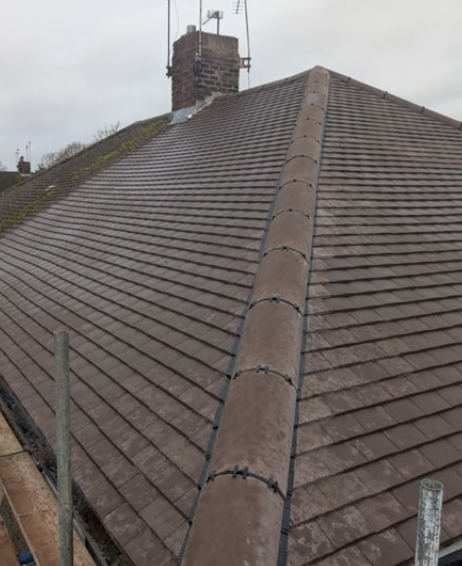
Fibre cement slate and concrete or clay tile give you decades of service at lower cost and are what most modern Irish estate housing is built with. Old torch-on felt flat roofs are the short straw; modern liquid and single-ply systems do considerably better.
What actually shortens a roof's life here
In Irish conditions, these matter more than the brand on the tile.
- Exposure — coastal salt and wind in places like Howth, Killiney, Bray and Greystones is relentless.
- Ventilation — an unventilated attic rots timbers from the inside out.
- Underlay — the felt often fails long before the covering does.
- Leadwork — poorly detailed or reused lead causes leaks on otherwise sound roofs.
- Maintenance — blocked gutters and valleys back water up under the covering.
- Foot traffic — dish and panel installers cracking tiles they never mention.
Getting the most out of it
Clear the gutters and valleys twice a year, keep an eye on the ridge after storms, and get someone to look properly every few years. Small jobs done early are the cheapest roofing you will ever buy.
Related pages: signs your roof needs replacing or our roofing services.